Postcards from tomorrow
for Brass Band
Tone Poem • 2021/2024
Grade 2.5 (easy) • 07:00 • FC Music Publishing
Also available for
Wind Band.
Instrumentation : Soprano Cnt(opt), 3Cnt, Flugel(opt), 2Hn, 2Bar, 2Tbn, BTbn(opt), Euph, EbBass, BbBass, 4Perc(3.opt)
When they are children, some people put their toys, drawings and wishes for the future in a box that they bury somewhere in order to dig it up when they are adult. The title "Postcards from tomorrow" was inspired by this tradition. what wishes would we put in those boxes for the future, what kind of postcards would we send to our grandchildren ?
To write this piece, I was inspired by three pictures that have some symbolic meaning linked to that question : each movement, played attacca, refers to one of them.
I. Abandoned Blockhouses
(Blockhaus abandonnés)

Le titre du premier mouvement fait référence à la guerre et à la capacité de destruction de l’humanité. A une époque où les défis socio-politiques et environnementaux sont aussi importants, il est primordial que nous n’oubliions pas les horreurs du passé : comme des blockhaus abandonnés, les reliques de nos horreurs resteront pour longtemps. Mais il faut avancer.
The movement starts with an aleatoric passage and with the exposition of the earth theme (low instruments m. 5), that will come as a leitmotiv throughout the piece. The theme develops into a cry of despair in d minor (A), preceeding a section representing the horrors the war, figured by the aggressive percussions and low brass (m. 22). The ostinato at winds and vibraphone foreshadow the last section, a fanfare based on the well-known gregorian dies irae, whose text asks god for pardon.
II. Pagoda at the Lake
(La Pagode au bord du lac)
Le deuxième mouvement s’inspière de la pagode, monument religieux abritant les reliques de personnages sacrées dans certains cultes asiatiques. Ceci pourrait ainsi symboliser le fait que l’humanité, pour pouvoir faire face aux défis auxquels elle est confrontée, pourrait avoir besoin de rechercher ses racines et de se poser la question des choses importantes dans son histoire.
Ce mouvement se veut calme et apaisé : il est ainsi constitué d’un matériau musical simple et met en évidence certains solistes de l’ensemble. Il suit en outre une structure en arche (ABCBA), rappelant l’architecture harmonieuse de la pagode.

III. Building Bridges
(Construire des ponts)
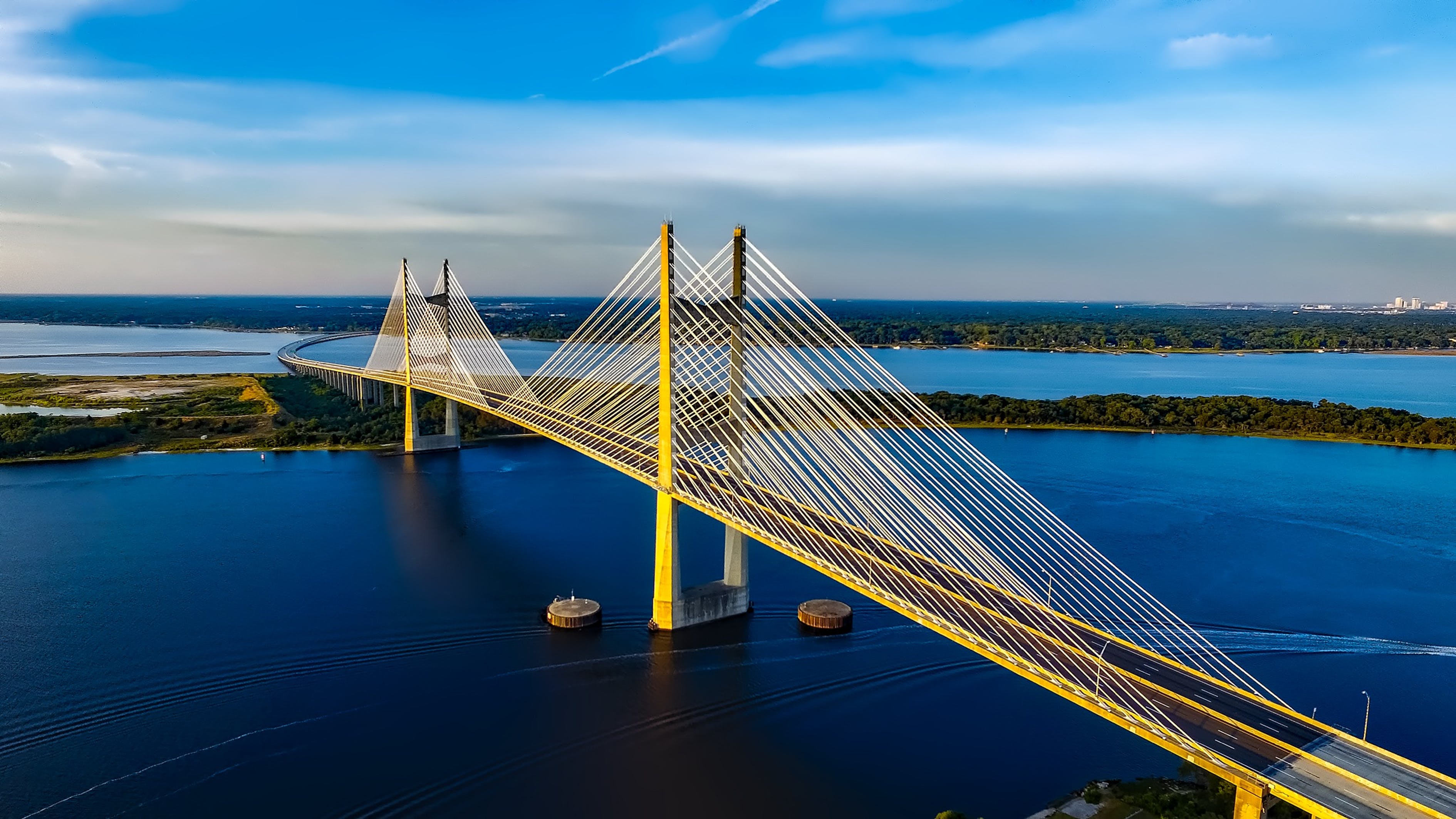
The last movement is a call for hope. Once our past remembered, we must now be "building up the bridges" between each other and towards a better world, facing much danger (war, climate change...), but with the faith to make this world better.
L’ostinato de vibraphone et le motif rythmique exposé dès les spremières mesures servent de « pont » entre les différentes sections du mouvement, impliquant une forme rondo évoluant au fil des répétitions. Les deux premières sections reprennent le matériau musical des mouvements précédents et conduisent à une dernière répétition du pont, plus funky, avant un final héroïque.
In July 2021, this piece won first prize in the ‘La Bacchetta d'Oro’ composition competition.